
TikTok has transformed the way we consume and create digital content, becoming a cultural phenomenon that transcends geographical and generational barriers. What began as a platform for short music videos has evolved into an epicenter of trends, creativity and, above all, virality. But what makes certain videos capture the attention of millions of people and spread like digital wildfire? Behind every trend, every catchy sound and every shared challenge, there is a complex web of psychological principles. which the TikTok algorithm exploits with astonishing precision.
Virality on TikTok is no accident; It is the result of careful engineering that strikes a chord in the human psyche. From the need for social connection to the search for instant gratification, to the desire for expression and belonging, the platform has become a mirror of our most basic and complex impulses. Understanding these mechanisms not only allows us to decipher the success of a video, but also to better understand how we interact with the digital world around us and how emotions drive much of our online decisions.
This article will explore the fascinating intersection between TikTok technology and human psychology. We will analyze the key elements that make a video irresistibly shareable, from how the algorithm works to the emotions it awakens, to the importance of relatability, novelty and community participation. Unraveling the psychology behind TikTok virals is to delve into the heart of modern communication, offering a unique perspective on the power of digital media to shape our culture and our daily interactions.
The TikTok Algorithm: A Predictive Brain
The heart of the TikTok experience lies in its For You Page (FYP), a personalized content source that seems to know exactly what you want to see, even before you know it. Unlike other platforms that prioritize social connections or followers, TikTok’s algorithm focuses on user behavior: which videos you like, which ones you share, which ones you comment on, which ones you view repeatedly, and the type of accounts you follow. This approach is a fundamental pillar in the psychology of virality.
Hyper-Personalization and Confirmation Bias
The TikTok algorithm is a master athyper-personalization.Every interaction you have, no matter how minimal, feeds a sophisticated recommendation system that constantly refines your FYP. Psychologically, this creates a powerfulfeedback loop.By watching videos that resonate with you, you experience a sense of satisfaction and validation.The algorithm reinforces your existing interests, which can lead toconfirmation bias, where you are mainly exposed to information that confirms your beliefs and tastes. This not only keeps you hooked, but also makes you feel “understood” by the platform, strengthening your loyalty and dwell time.
Constant Novelty and Instant Gratification
One of the keys to the success of the algorithm is its ability to present aconstant noveltyAlthough based on your interests, always introduce content slightly outside your bubble to test new preferences. This mix of familiarity and surprise keeps the brain alert and expectant. The nature of short videos, combined with infinite scrolling, offers ainstant gratificationIt continues.Each new video is a small dose of reward, activating the brain’s pleasure centers and creating a pattern of addictive behavior similar to that of a slot machine. You never know what gem awaits you at the next swipe, which drives the relentless search.
The Neuroscience of Attraction: What Hooks Us?
The way our brain processes information and seeks rewards plays a crucial role in why TikTok videos go viral. There are specific neuroscientific mechanisms that are activated when interacting with content on the platform.
Dopamine and the Reward Loop
Thedopamine, often known as the “pleasure hormone,” is a key neurotransmitter in the brain’s reward system. On TikTok, every like, every comment, every new view, and every interesting new video in your FYP releases small doses of dopamine. This is the famousreward loopWhen a creator receives a burst of notifications after their video goes viral, they experience a dopamine spike. Similarly, the viewer who finds a video hilarious or inspiring feels an instant reward. This cycle is incredibly powerful and encourages continued content creation and uninterrupted consumption. The anticipation of the next reward (the next funny video, the next interaction) is what keeps us swiping.
The Power of Brevity and Cognitive Simplicity
In a world of information overload, our attention span has become fragmented. TikTok videos, with durations ranging from a few seconds to a minute or three, fit this reality perfectly. Psychologically, this reduces thecognitive load.We do not require a great mental effort to process the content. They are information or entertainment pills that are consumed quickly and free our mind to move on to the next one.
This brevity also allows forhigh density of information or emotionin a short period. A joke is told and finished in 15 seconds; a striking visual transformation occurs in 30 seconds. The brain can absorb and react to this information without feeling overwhelmed, making it easy to make the content catchy and memorable. The simplicity of the format also encourages engagement, as you don’t need to be an expert editor to create a video that effectively captures an idea or emotion.
Mirror and Empathy: Social Connection
Humans are inherently social beings, and our brains are wired for connection.TikTok Virals Often Explode Our Mirror Neurons, which are activated when we observe and empathize with the actions or emotions of others. When we see someone performing a dance, a challenge or expressing an emotion, our mirror neurons allow us to “feel” what the other feels or “understand” what they are doing, driving imitation and participation.
This empathic capacity is fundamental for the proliferation oftrends and challenges.By seeing others participate, we not only feel part of something bigger, but we also experience the joy or humor of the situation.Thesocial proofplays an important role here: if many are doing it, it must be something fun or interesting. This imitation is not just a superficial copy; It is a way to connect, to show belonging to a community or to express a shared identity through a culturally relevant format.
Key Psychological Elements in Virality
Beyond the algorithm and basic neuroscience, there are specific psychological components that cause certain videos to go viral. These elements touch on our emotions, our need for identification, and our desire for novelty and connection.
Pure Emotion: The Spark of Virality
Emotions are the main driver of virality. A video that provokes a strong emotional reaction is much more likely to be shared and remembered. It’s not just about positive emotions; a wide spectrum of feelings can drive virality.
* Joy/Humor:Funny videos are perhaps the most universal. Jokes, bloopers, absurd situations, parodies or funny pets release endorphins and make us feel good, driving the desire to share that feeling.
* Surprise/Amazement:An unexpected twist, an impressive magic trick, a shocking revelation or an extraordinary skill instantly captures our attention and compels us to watch the video until the end, and often, share it to see the reaction of others.
* Nostalgia:Videos that evoke childhood memories, old songs, past cultural references, or specific moments in collective history create a warm, comforting feeling that many want to relive and share.
* Inspiration/Motivation:Stories of improvement, physical or personal transformations, life advice or tutorials that empower and motivate action can be incredibly viral. We like to feel inspired and often share content that we consider valuable to others.
* Empathy/Sadness:While less common as massive virals, videos that evoke deep empathy or sadness (such as animal rescue stories or heartwarming moments) can generate a significant response and mobilize audiences.
* Curiosity:A video that poses an intriguing question, a mystery, or an ambiguous situation can generate strong curiosity, causing users to watch it several times and search for answers in the comments.
Identification and Relatability: “That happens to me”
One of the most powerful factors behind virality isIDWhen a video shows an experience, a thought or an emotion that the viewer has experienced or felt, an instant connection occurs.
* Everyday Experiences:Videos that show common situations in daily life, such as frustration with technology, the peculiarities of family relationships, the challenges of work or small pleasures, resonate deeply. The “That’s happening to me!” It is a sharing engine.
* Specific Niche:TikTok allows niche communities to flourish. Content about a particular hobby, a profession, a very specific type of humor, or a subculture, can be incredibly viral within that community, because its members feel seen and understood.
* Authenticity and Vulnerability:In contrast to the curated perfection of other networks, TikTok values authenticity. Creators who show their “real selves,” their imperfections, their moments of vulnerability, or their honest opinions often build a stronger, more genuine connection with their audience, making virality easier.
Novelty and Originality: Breaking the Mold
Although TikTok is known for its trends and challenges, thenovelty and originalityThey are crucial to stand out and generate a new viral.
* Original Sounds:Catchy, original audio that can be used in multiple contexts is often the starting point of a viral trend.
* Unique Concepts:A video format, a transition, a comedic idea, or a way of presenting information that has never been seen before has a high viral potential. The human brain is programmed to pay attention to what is new and different.
* The “First Movement”:Being the first to use a sound, create a challenge, or establish a format can give you a significant advantage. Creators who innovate and are adopted by the community often see their creations spread quickly.
Participation and Community: Beyond Seeing
TikTok is not just a consumer platform; It is a platformstake.The architecture of the app is designed to encourage interaction and collaborative creation, which is a great psychological driver.
* Challenges:Challenges are the epitome of participation. They invite us to imitate, to be creative and to show our own versions of an idea. This satisfies our need for belonging, expression and recognition.
* Duets and Stitches:These features allow users to interact directly with others’ content, creating new narratives or adding their own perspective. This not only multiplies the content, but also reinforces the sense of community and co-creation.
* Comments and Share:The ease of commenting, tagging, and sharing videos drives conversation and sharing. When a video generates a strong debate or reaction, it gets more shares, amplifying its reach. Social validation through comments and likes is a powerful reward.
Psychological Strategies to Create Viral Content
Understanding the psychology behind virals is not just for analysis; It is a powerful tool for creators. Here are some strategies you can apply:
* Know your Audience (and their Hidden Desires):Research what type of content resonates with your target audience. What problems do they face? What makes them laugh? What inspires them? The key is to create content that meets a specific emotional or informational need. Use TikTok analytics to see what type of content they already like and what times are the best to post.
* The Hook in the First Seconds (The 3 Second Rule):The attention span is short. The first 1-3 seconds of your video are critical to capturing attention. You can use:
*An intriguing question.
* A shocking or unexpected action.
* A bold or relatable statement.
* A catchy sound or music that generates curiosity.
* A visual “spoiler” for the best to come.
* Simple and Effective Narrative:Even in short videos, a clear narrative structure is powerful. Think about a beginning (the problem or situation), a middle (the development or solution), and an ending (the moral, the joke, the result). Stories are inherently attractive to the human brain.
* Smart Use of Sounds and Music:Sounds are half of the TikTok experience.
* Use trending audios:Check the “Sounds” tab to see which audios are being used and how.
* Create your own original sound:If it’s catchy, it can be the starting point of a new trend.
* Sync audio with your visuals:Good editing to the rhythm of music or sound effects improves immersion.
* Choose music that evokes specific emotions:Music can amplify the humor, sadness, excitement, or tension of your video.
* Call to Action (Implicit or Explicit):Encourage interaction.
* Questions in the caption or video:“Comment on your experience”, “What do you think?”, “Like if it happened to you”.
* Invitation to Duets/Stitches:“Do a duet with this”, “Use my sound”.
* Challenges:Offer a fun or creative challenge.
* Save/Share:Encourage users to save your video to watch later or share it with friends.
* Authenticity and Vulnerability:Don’t try to be someone you’re not. People connect with humanity, not perfection. Show your passions, your quirks, your mistakes, and your triumphs. Vulnerability can lead to deep connection and a loyal community.
* Create Repeatable or Adaptive Content:Videos that are easy to imitate, have a replicable format, or can be adapted to different contexts have greater viral potential. Think templates, key phrases, or simple choreography.
* Encourage Curiosity and Mystery:Sometimes not revealing everything in the video is more effective. Leave a little mystery, an unsolved question, or a “part 2” promise to keep the audience engaged and encourage comments.
The Risks and Challenges of Virality
While virality on TikTok offers incredible opportunities, it also comes with its own risks and psychological challenges that are important to recognize.
The Pressure to Stay Relevant
For creators, virality can be a blessing and a curse. Once they experience success, they often feel immensepressure to replicate itThis can lead to creative fatigue, burnout, and performance anxiety. The constant need to innovate and surpass the latest success can be exhausting and sometimes detrimental to mental health.
The Constant Search for Dopamine
For creators and consumers alike, the dopamine cycle that TikTok generates can be addictive. Users can fall into the trap of constantly seeking the next “fix” of gratification, whether through creating content for validation or passively consuming videos. This can impact productivity, focus, and the ability to enjoy off-screen activities.
Superficial vs. Meaningful Content
The nature of short videos and the pursuit of virality often prioritizes immediate impact over depth. This can lead to a proliferation ofsurface content, which entertains but does not educate or enrich in any meaningful way. While this is not inherently negative, excessive consumption of this type of content could influence the way users process information and seek meaning in other areas of their lives.
Mental Health and Social Comparison
As on any social platform, constant exposure to the “curated” life or viral hits of others can lead tosocial comparisonCreators who don’t achieve virality may feel invisible or insufficient, while those who do may face criticism, negative comments, or the pressure of maintaining a public image. Viral challenges, while fun, can sometimes lead to risky or irresponsible behavior in the pursuit of clicks and views.
The Dark Side of Viral Challenges
Although most TikTok challenges are harmless and creative, there have been cases where certain viral challenges have had negative, even dangerous consequences. This highlights the responsibility of the platform and users to discern content and promote safe practices, especially when dealing with young and impressionable audiences. The psychology of imitation, while a powerful force for connection, can also be exploited for harmful behaviors.
Conclusion
Virality on TikTok is not a matter of luck, but the result of an intricate dance between algorithmic technology and human psychology. We have seen how the platform’s algorithm, with its hyper-personalization and ability to offer instant gratification, creates a fertile environment for the spread of content. Neuroscientific principles, such as the dopamine cycle and the cognitive simplicity of short videos, keep us hooked, while mirror neurons drive imitation and social connection.
Key psychological elements, such as raw emotion, relatability, novelty, and active community participation, are the true catalysts that transform an ordinary video into a viral phenomenon. Creators who understand and apply these strategies, from an effective opening hook to clever use of sounds and promoting authenticity, have a greater chance of resonating with their audience and seeing their content take off. However, it is also crucial to be aware of the challenges and risks associated with virality, such as pressure, addiction, and social comparison, to encourage more conscious and healthy use of the platform.
Ultimately, the psychology behind TikTok’s viral videos offers us a fascinating window into human nature: our innate need for connection, expression, entertainment, and validation. As the platform and our interaction with it continue to evolve, understanding these psychological foundations will be increasingly vital for everyone, from content creators to consumers to digital culture researchers. TikTok’s ability to capture and amplify these psychological impulses is what has made it a cultural giant, and will continue to be so as long as it understands and responds to the complexities of the human mind.
📖 If this topic interests you, I recommend the bookTikTok 2026that delves into all of this with practical exercises and step-by-step strategies.👉 Available on Amazon:TikTok 2026
What you read is just a fragment. The full book has everything you need to master TikTok in 2026.
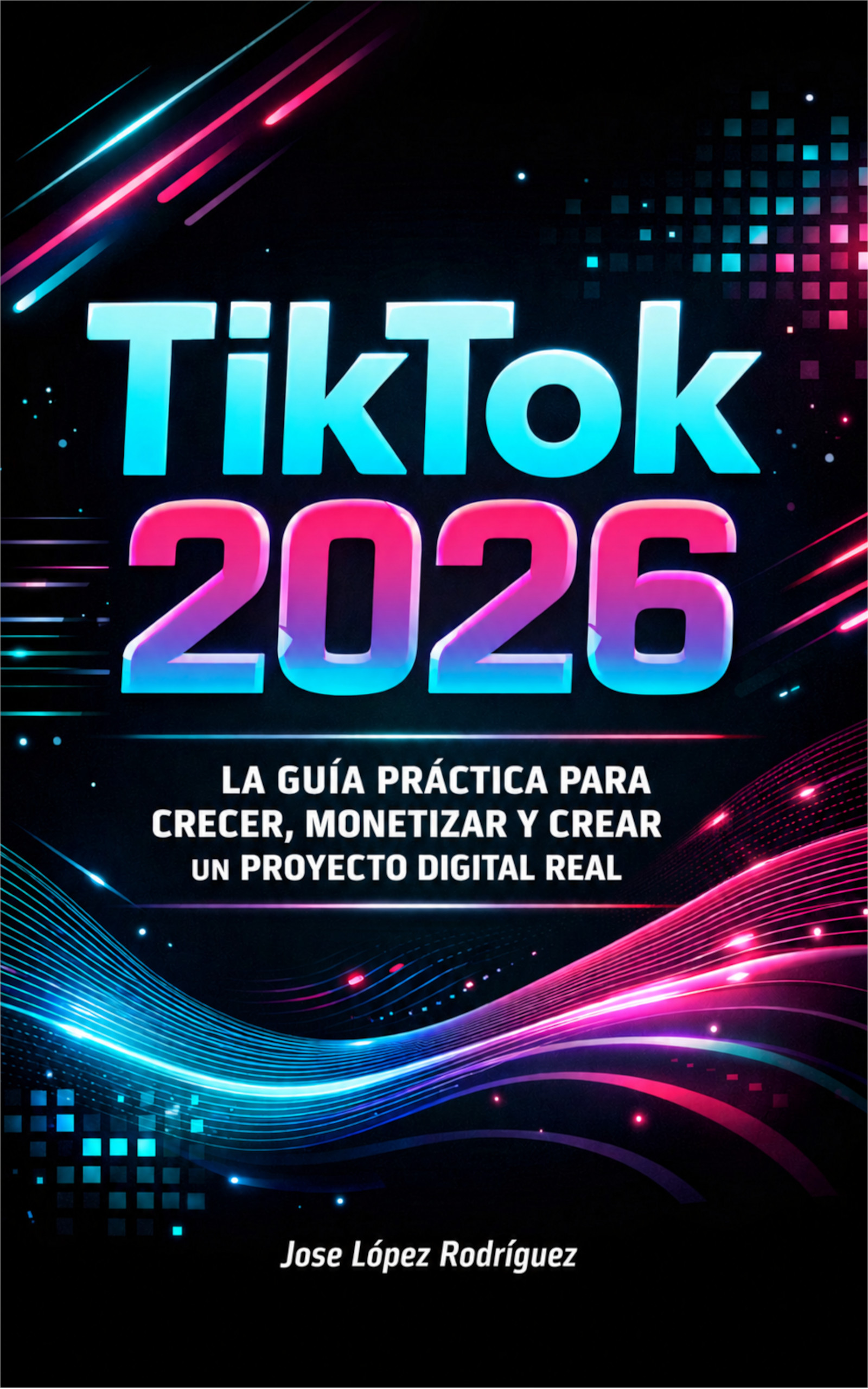
📖 TikTok 2026
The practical guide to creating content, gaining followers and monetizing