
Your numbers tell a story, but only if you know how to read them
When someone enters TikTok statistics for the first time, they are often overwhelmed. There are graphs, percentages, averages and terms that are not always clearly explained. Views, reach, impressions, engagement rate, retention… Every metric has a purpose, but not all of them matter the same. And most people focus on the wrong metric.
Understanding your statistics is not an academic exercise. It’s the difference between posting randomly and posting with intention. When you read your numbers well, you stop depending on luck and start making decisions based on what really works for your account.
The metrics that really matter
The metric that most people look at first is the total number of views. It is understandable: it is the most visible and the easiest to compare. But views are a vanity metric. They tell you how many people watched your video, but they don’t tell you how many people were actually interested. A video can have 100,000 views and zero impact on your growth if people left after two seconds.
The metrics that really matter are average retention, engagement rate, and follower conversion rate. Retention tells you how long people watched your video. The interaction rate tells you how many of those who saw it interacted (likes, comments, shares, saved). And follower conversion tells you how many of those who watched the video decided to follow you.
How to read the withholding
The retention chart is probably the most useful tool you have. It shows you, second by second, how many viewers are still watching your video. If you see a sharp drop in the first 3 seconds, it means your aperture is not working. If the curve remains stable but falls just before the end, the video may be interesting but the closure may be weak.
The ideal is a curve that remains as flat as possible, with a peak at the beginning and without abrupt drops. If your average retention is over 50%, you’re on the right track. If it is below 30%, something is wrong with the content or structure of the video.
The difference between reach and impressions
Reach is the number of unique people who viewed your video. Impressions are the total number of times your video appeared on the screen, counting the same person multiple times if they viewed it more than once. If your impressions are much higher than your reach, it means people are rewatching your video. That’s usually a good sign.
But if your reach is growing and your interactions aren’t, it means your content is reaching people who aren’t interested. In that case, the problem is not distribution, it is the relevance of the content to the audience viewing it.
From data to decisions
The real value of statistics isn’t in looking at numbers, it’s in using them to change what you do. If you notice that your how-to videos have better retention than your opinion videos, make more how-to videos. If your long 2-minute videos have worse retention than your 45-second ones, shorten them. If the videos you post at 7 in the morning have more reach than those at 10 at night, adjust your schedule.
It’s not about obsessing over every number. It’s about identifying patterns. Check your stats once a week, not every day. See which videos performed best, look for the common denominator, and apply what you learn to the next video. That cycle, observation, analysis and adjustment, is what separates a creator who grows from one who stagnates.
What TikTok Analytics doesn’t tell you
There are things that statistics don’t capture: the quality of the comments you receive, the type of people who follow you, or whether your content is attracting the audience you are really interested in. A video with few views but comments from people who are exactly in your niche can be more valuable than a viral video viewed by people who will never come back to your profile.
Use statistics as a compass, not as absolute truth. The numbers guide you, but you decide the destination.
What you just read is just one chapter. The entire book has 20 step-by-step strategies to master TikTok in 2026.
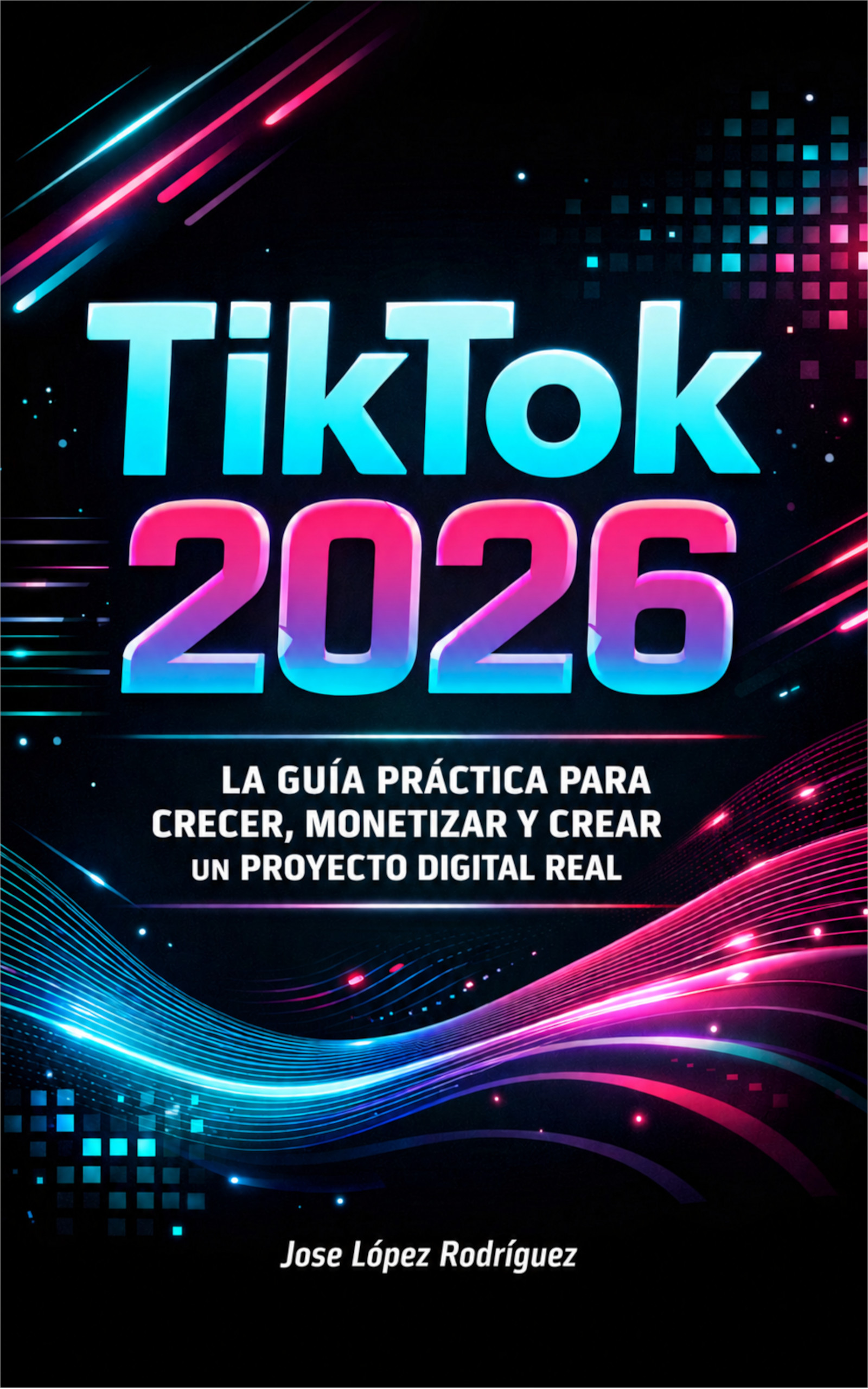
📖 TikTok 2026: The Definitive Guide
Strategy, viral content and audience growth