
What people are looking for on TikTok is no longer just entertainment
In 2026, TikTok functions as a search engine for millions of people. When someone wants to learn how to do something, solve a problem, or discover a product, they no longer open Google as their first option. Open TikTok. Search has become one of the most powerful features on the platform, and understanding how it works is key to getting your content in front of the right audience.
The TikTok search bar is no longer a minority plugin. It is a gateway that connects specific queries with answers in video format. And those responses don’t always come from the accounts with the most followers. Many times they come from small creators who knew how to answer exactly what someone was looking for.
How search works on TikTok
TikTok’s search system doesn’t work like Google. On Google, text is the primary format and results are organized by textual relevance, links, and domain authority. On TikTok, video is the main format and the results are organized by the relationship between what the user is looking for and the content that best responds to that intention.
When someone types “how to organize a pantry” on TikTok, the platform doesn’t just search for videos that mention those words. Look for videos where the content proved to be relevant to people with that same query. That means a 45-second video showing step-by-step how to organize a pantry, with good retention and positive feedback, can rank above a video from a creator with a million followers who only mentions the topic in passing.
Keywords still matter, but not like before
Including keywords in your content is still important, but context matters more. TikTok analyzes what you say in the video (through automatic subtitles), the text that appears on the screen, the description you write, and the hashtags you use. But what matters most is whether people who find your video through a search end up watching it in its entirety, sharing it, or saving it.
The strongest signal for ranking in search is not repeating a keyword fifteen times. It’s creating content that people want to see when they search for that keyword.
Specific tactics to appear in searches
The first thing is to understand what your audience is looking for. Don’t think in terms of general themes. Think about specific questions. If your niche is healthy cooking, don’t just aim for “healthy recipes.” Aim for “healthy dinner in 15 minutes without an oven” or “high protein breakfast on the go.” Those specific queries have less competition and attract people with a clear intent.
Include the question or search phrase in the first few seconds of the video. Not in the description that nobody reads. In the video itself, visibly. TikTok’s automatic captions capture what you say, and that is indexed. If you say “let’s see how to organize your pantry in 10 minutes,” TikTok knows what your video is about.
Use hashtags as a complement, not as a main strategy. Two or three specific hashtags are worth more than ten generic ones. And make sure the on-screen text (the one that appears above the video) contains the key phrase you want to appear for.
Search and the multiplier effect
One of the most interesting effects of ranking in search is that it not only brings you traffic that day. Videos that rank well in search tend to continue receiving views for weeks or months, because the demand for that query doesn’t go away. Unlike TikTok’s feed, which prioritizes what’s new, search rewards what’s useful.
If you create a video that answers a frequently asked question well, that video can become a constant source of new viewers. And those viewers, if they like your profile, become followers. It’s a virtuous circle: better search position generates more views, more views generate more authority for the platform, and more authority generates better search position.
The future of search on TikTok
TikTok is investing heavily in its search system. In 2026, search suggestions have become more precise, filters by content type are more useful, and integration with product purchases is deeper. This means that content that ranks in search not only generates views, it can generate direct sales.
If you’re creating content on TikTok without thinking about search, you’re leaving one of the platform’s most sustainable and predictable sources of growth on the table. It’s not about hacking the algorithm. It’s about answering the questions your audience is already asking better than anyone else.
What you just read is just one chapter. The entire book has 20 step-by-step strategies to master TikTok in 2026.
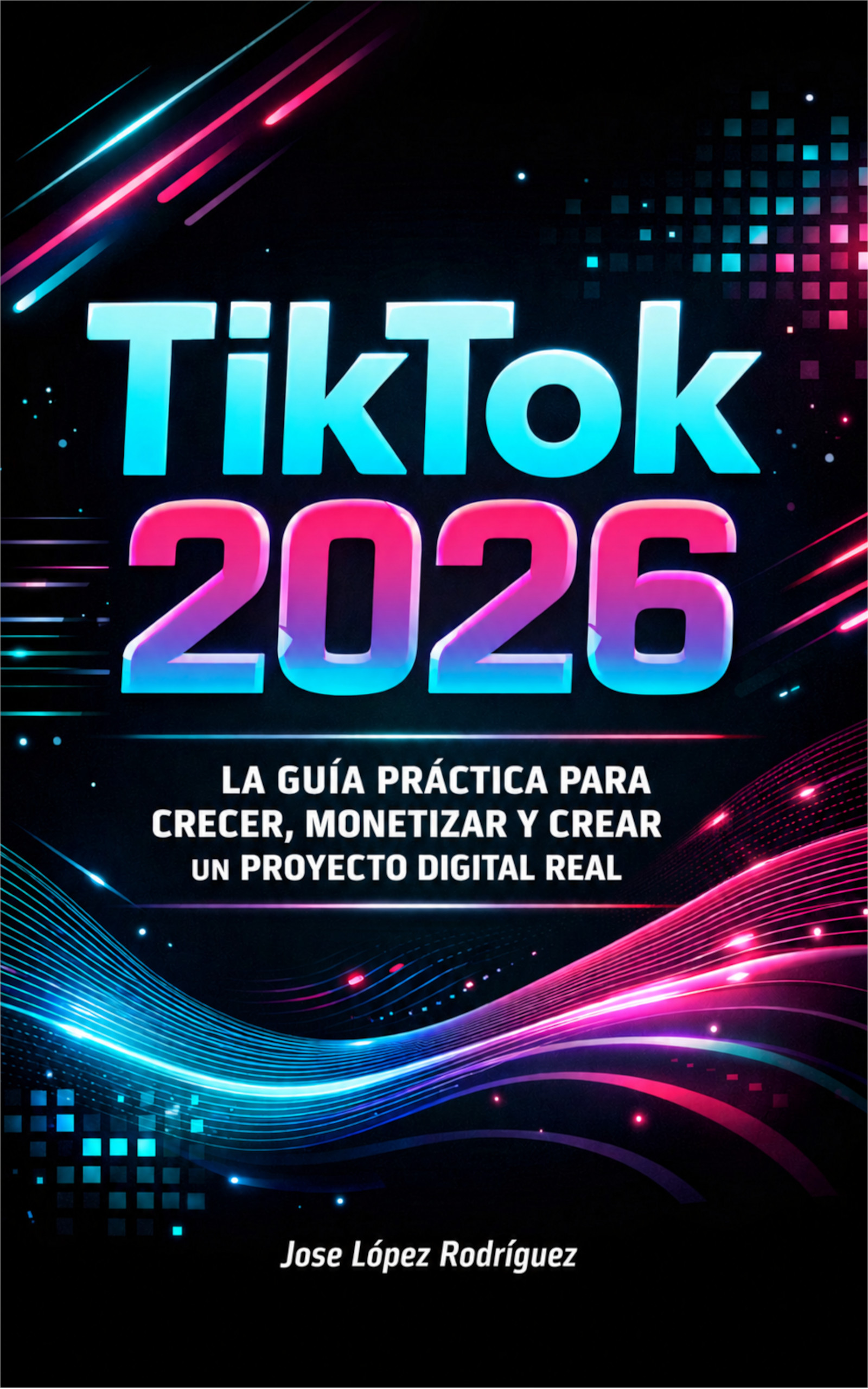
📖 TikTok 2026: The Definitive Guide
Strategy, viral content and audience growth