
The real battlefield: the first few seconds
Before someone decides to follow you, comment, or buy something you recommend, something much simpler and at the same time harder to achieve happens: they decide to keep watching your video. That small moment is the real battlefield on TikTok.
Attention in the digital era is a scarce resource. Every person who opens the app has hundreds of options just a finger swipe away. They’re not just comparing you with other creators in your niche — they’re comparing you with all the content that exists in that instant. Understanding this changes how you think about every video.
The competition on TikTok isn’t just between creators of the same topic. It’s between your video and the next video that appears with a single swipe. Every second someone spends watching your content is a second they decided not to spend on something else. That level of competition demands radical honesty with yourself: does this video truly deserve the attention I’m asking for?
The first seconds are a promise
The first seconds aren’t just an introduction — they’re a promise. Without saying it directly, you’re communicating to the viewer whether it’s worth investing their time with you. That promise can be entertainment, learning, inspiration, or surprise. What matters is that it’s clear.
The human mind seeks patterns and rewards. When someone feels a video will give them something at the end, they’re more likely to stay until the last second. That’s why it often works better to pose a question, a problem, or an incomplete situation at the start and resolve it later. The brain needs a reason to keep going, and you give it that reason in the first three seconds.
A common mistake is using the first seconds to introduce yourself: «Hi, I’m X and today I’m going to talk about Y.» That’s not a promise — it’s a waste of time. The promise would be: «Here’s what no one told you about Y» or «The mistake you’re making with X.» The difference is centering the benefit for the viewer, not on who’s speaking.
Connection, not just curiosity
But attention isn’t sustained by curiosity alone. It’s also sustained by connection. People respond to faces, voices, and emotions. Even behind a screen, we remain social beings. When we perceive a real person talking to us, the experience changes.
A confusing message tires people quickly. If someone can’t understand what your video is about in the first moments, they’ll most likely keep scrolling. Not because they’re not interested in the topic, but because they didn’t have time to discover it. On TikTok, simplicity is usually an ally. One idea per video, one main message, one clear point. This doesn’t limit depth — it focuses it.
You can build an entire series around a complex topic, but each piece needs to stand on its own. The first video has to work alone. The second one too. And if someone decides to watch them in order, even better. But you can never assume the viewer has already seen your previous content.
Emotion as a signal of relevance
Emotion also comes into play. It doesn’t have to be something dramatic or exaggerated. It can be surprise, identification, humor, relief, or even indignation. Emotions are signals to the brain that something is relevant. And what’s relevant gets remembered.
This is where many creators make a common mistake: they focus only on what they want to say and forget how it feels to hear it. Thinking from the viewer’s perspective forces you to ask a different question: «Why would someone want to watch this to the end?» The answer to that question is the foundation of almost every strategy that works on the platform.
The videos that generate the most retention aren’t necessarily the most informative. They’re the ones that provoke a specific emotion: «I relate to this,» «I didn’t know that,» «that happened to me too,» «I want to try that.» That emotion is what makes someone share the video, save it, or comment on it. And those actions are what the algorithm reads as quality signals.
Asking why, not just what
As you grow, you start noticing patterns in your own audience. Maybe they react better to a certain tone, certain types of stories, or a particular way of explaining things. Paying attention to those signals is a way to refine your communication without losing your essence.
This process isn’t about manipulation — it’s about respecting your viewer’s time. If you’re going to ask for attention, the fair thing is to offer something in return. Each video is an opportunity to show that it’s worth staying with you a few more seconds. It’s not a favor they’re doing you; it’s an exchange: you offer something valuable, they give you their time.
Attention is earned, not demanded
Growing on TikTok isn’t just about reaching more people. It’s about making those people feel it was worth staying. Attention isn’t demanded — it’s earned. And it’s earned when the content you offer has a clear purpose, genuine emotion, and a message that the person on the other side of the screen can make their own.
The psychology of attention on TikTok isn’t a trick — it’s a principle: if you respect your audience’s time and give them something valuable in return, the platform takes care of making more people find you. Everything else is details.
What you just read is just a preview. The full book gives you 20 step-by-step strategies to master TikTok in 2026.
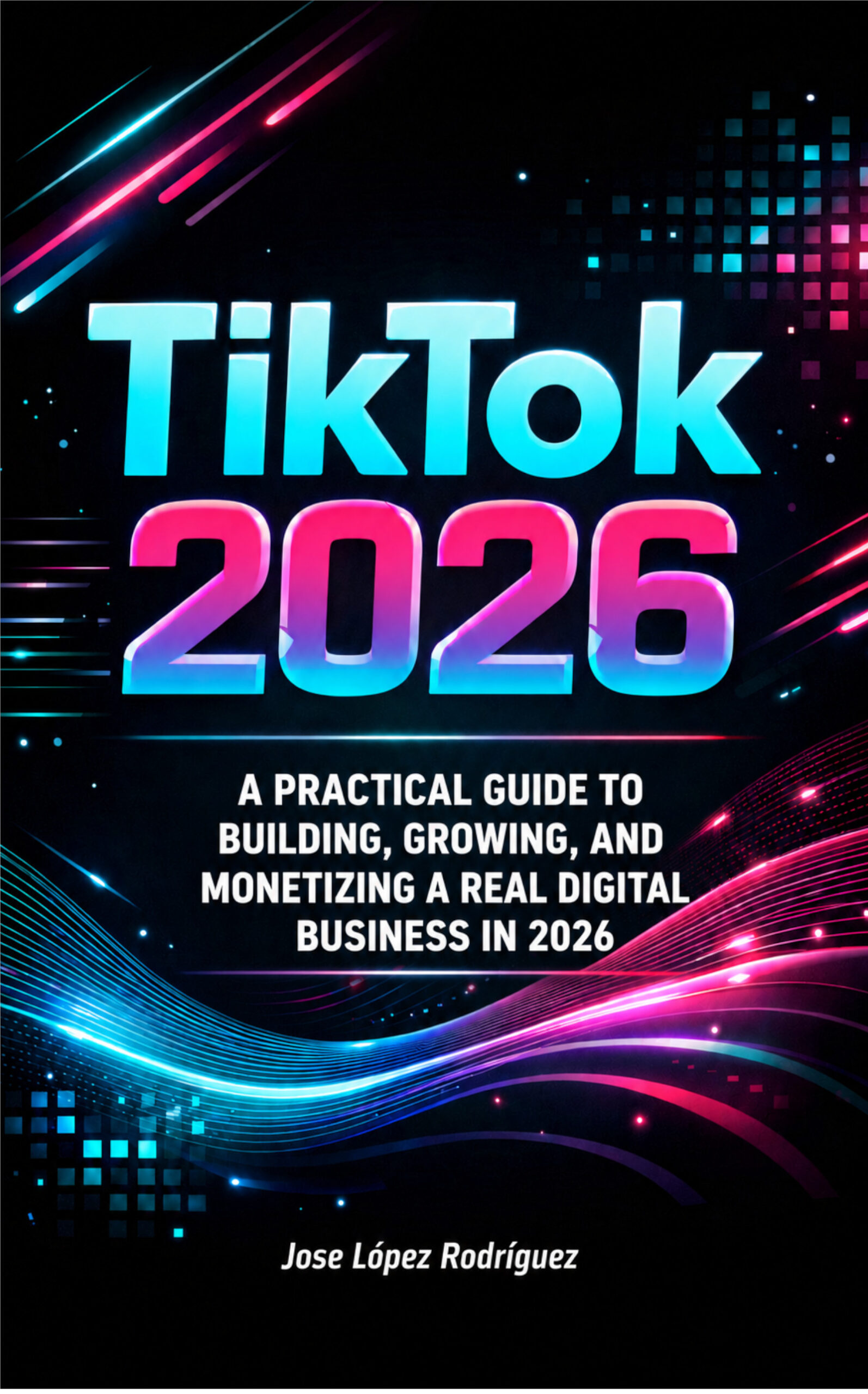
📖 TikTok 2026
The Definitive Guide to Mastering the Platform