
The algorithm isn’t a judge — it’s an observer
When people hear the word «algorithm,» they usually imagine something mysterious, almost like a black box that decides the fate of every video. In reality, TikTok’s algorithm doesn’t reward or punish. It’s a system that observes human behavior and tries to predict what will interest each user.
TikTok has a very clear goal: keep people inside the app as long as possible. To achieve this, it needs to show each person content they find attractive, useful, or entertaining. Every action a user takes becomes a signal. Watching a video to the end, replaying it, liking it, commenting, sharing, or following a creator — these are all ways of telling the platform: «I like this, show me more of it.»
How your video gets distributed: level by level
When you upload a video, TikTok doesn’t show it to everyone immediately. First, it shows it to a small group of people who might be interested in that type of content. If those people react well, the platform tests it with a larger group. And if it keeps working, the video keeps advancing, as if it’s passing from level to level.
This process is what allows new accounts to grow quickly. You don’t need a massive follower base for a video to reach people. What you need is for the first people who see it to decide to stay until the end or interact with it. Those first few seconds matter more than many people realize.
Imagine your video enters a waiting room. The first people to see it are like the first customers who try a new dish at a restaurant. If they like it, the chef keeps serving it. If it doesn’t convince them, the dish gets pulled. Your content works the same way: the first reactions determine whether the platform keeps showing it.
What the algorithm actually measures
The algorithm doesn’t just look at what happens with your video. It also observes who you are as a creator. It analyzes what topics you talk about, how your audience reacts, and what type of people usually watch your content. Over time, TikTok starts to understand who it should show you to more frequently.
That’s why posting content randomly can generate inconsistent results. One day a video works and the next day nothing happens. When you have a clearer focus, you make it easier for the platform to understand your place in the ecosystem and connect your content with the right audience.
Consistency doesn’t mean publishing the same thing every day — it means maintaining a common thread. If one day you talk about personal finance and the next about cooking recipes with no connection, the platform doesn’t know who to show you to. If instead you always revolve around a central theme, even from different angles, the algorithm can identify your niche and show you to people who already consume that type of content.
Retention: the signal that carries the most weight
TikTok doesn’t just measure popularity — it measures the viewer’s experience. A video with few likes but where people watch to the end can get more reach than one with many likes where most people abandon after a few seconds. Retention — how long someone stays watching your video — is one of the most valuable signals for the platform.
It also counts how the experience ends. If after watching your video someone visits your profile, watches another piece of content, or follows you, TikTok interprets that your video generated genuine interest. That tells the platform it’s worth showing you to more people.
Creators who grow sustainably tend to share one characteristic: their videos retain viewers. They’re not necessarily the most viewed, the most edited, or the longest. They’re the ones that make people stay. And that’s not achieved with special effects — it’s achieved with content that generates emotion or solves a real question.
TikTok as a visual search engine
In 2026, TikTok increasingly behaves like a visual search engine. Many people type questions directly into the app expecting video answers. This means that what you say, what you write in the description, and even the words that appear on screen help the system understand what your content is about.
If your video explains «how to calibrate a digital scale,» and those words appear both in the on-screen text and in the description, TikTok can connect your content with someone who just searched for exactly that. It’s not about stuffing the video with keywords — it’s about being clear about what you offer so the system can do its job.
The human connection that no technical adjustment can replace
But there’s something no technical adjustment can replace: the human connection. You can optimize titles, descriptions, and posting times, but if what you say doesn’t provide value or emotion, the video won’t hold attention.
Understanding the algorithm isn’t about learning secret tricks — it’s about understanding a simple principle: TikTok wants to show people what they like, and your job as a creator is to make content people want to keep watching. Every video is a silent conversation between you, the person watching, and the platform that decides whether it’s worth continuing.
If you make that conversation interesting, the algorithm stops being an obstacle and becomes your greatest ally.
This is just a preview. The full book gives you the complete system to master TikTok in 2026.
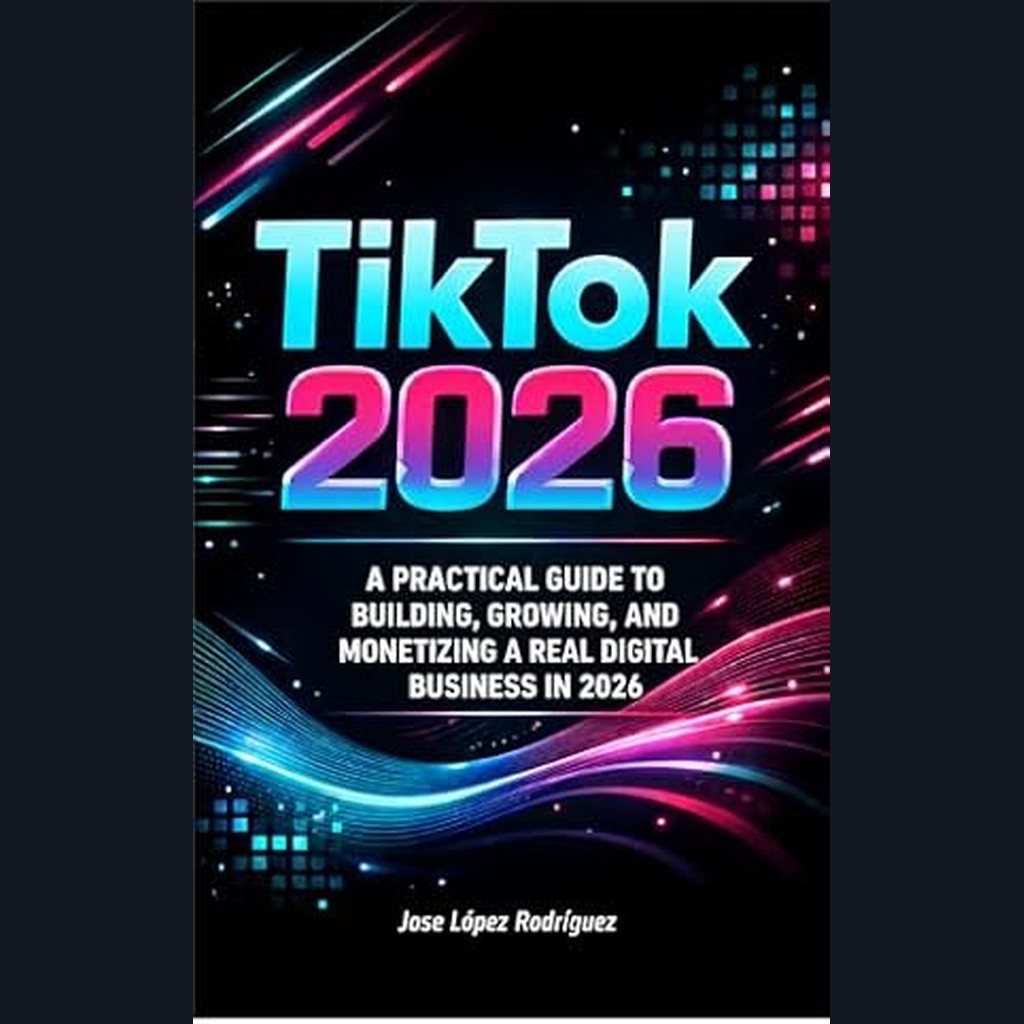
📖 TikTok 2026: The Definitive Guide
The practical guide to growing and monetizing