

TikTok stopped being a teenage curiosity
In 2026, TikTok is not what it was in 2020. It’s no longer just the app for viral dances or an after-school hobby. It has become one of the most influential digital spaces in the world: a place where trends are born, personal brands are built, businesses are launched, and real money moves every single day.
If you open TikTok for the first time, it seems simple: short videos playing one after another. But behind that experience lies a complex system that decides what to show, to whom, and why. TikTok doesn’t work like a traditional social network built on followers. It works like a digital stage where anyone — even with zero followers — can be seen by thousands or millions if their content connects with the right audience.
That’s one of the reasons TikTok has changed the rules of the game. You no longer need years to build visibility. What you need is to understand how human attention works and how to present your ideas in a way that makes people want to keep watching.
What makes TikTok different
On other platforms, your visibility depends on how many people follow you. On TikTok, your visibility depends on how many people want to see you. That difference changes everything.
You don’t need years to build an audience. What you need is to understand how human attention works and how to present your ideas in a way that makes people want to keep watching. A video can go viral even if your account is brand new. This has opened the door for thousands of people who previously had no access to large audiences: students, small businesses, subject-matter experts, artists, and entrepreneurs.
TikTok’s distribution model is radically different from Instagram or YouTube. On those platforms, without followers you practically don’t exist. On TikTok, every video competes for its own opportunity. The system tests it with a small group and, if it works, amplifies it. This means content is the protagonist, not the follower count of the person posting it.
Three functions in one app
In 2026, TikTok serves several roles simultaneously:
- Social network: connects people around shared interests, not just existing friendships.
- Search engine: more and more users type questions directly into the search bar instead of going to Google. «How to do X,» «what Y means,» «review of Z» — searches that used to happen on Google now happen on TikTok, where people expect a video answer.
- Business platform: brands, creators, and entrepreneurs sell products, services, and their own image directly from the app.
This triple function makes the type of content that works increasingly varied. You can find everything from comedy videos to complete lessons on finance, marketing, or health in short format. And each of those contents has its specific audience, its community, and its ways of monetizing.
The culture of immediate attention
People no longer consume long content out of obligation — they do it out of interest. On TikTok, every video has to earn the viewer’s attention in a matter of seconds. If it doesn’t, the finger keeps swiping. This behavior has changed how the world communicates, not just on social media, but in advertising, education, and even how professional projects are presented.
But beyond the technology, TikTok is a reflection of current digital culture. The one who wins isn’t the one who shouts loudest, but the one who connects best. And that connection isn’t achieved with tricks — it’s achieved with clarity, intention, and real value for the person on the other side of the screen.
Those who understand this stop competing for likes and start competing for retention. And retention is what truly matters: getting someone to watch your entire video, visit your profile, decide to follow you. That’s the metric the algorithm rewards above all others.
Trust as the primary currency
One of TikTok’s greatest strengths is its ability to create closeness. Unlike traditional advertising, here people follow people, not logos. They trust faces, voices, and opinions. That trust is the foundation of nearly every monetization model on the platform.
On TikTok, content is the protagonist. Unlike other networks where the creator’s profile matters most, here what you publish can carry more weight than who you are. This democratizes access to visibility in a way no other platform has achieved until now. An accountant who explains taxes in 60 seconds can have more reach than a consulting firm with millions in advertising budget.
Who’s on TikTok today
It’s no longer a network just for teenagers. There are professionals, businesses, parents, investors, doctors, trainers, coaches, and international brands. This means the type of content that works is increasingly varied. You don’t need to dance or do comedy to have an audience. You can teach, give opinions, review, analyze, or simply share your experience. What matters is that it adds value.
It’s also important to understand that TikTok isn’t just about becoming famous. It’s a platform for building something. It can be a personal brand, a business, a community, or a source of income. But before diving into strategies and techniques, there’s something more important to understand: TikTok is, at its core, a place where ideas compete for attention.
If you decide to move forward, you’re not just going to learn how to upload videos. You’re going to learn how to use TikTok as a tool to open doors that were previously only available to a few. And it all starts with understanding the stage you’re about to step onto.
This is just a preview. The full book gives you the complete system to master TikTok in 2026.
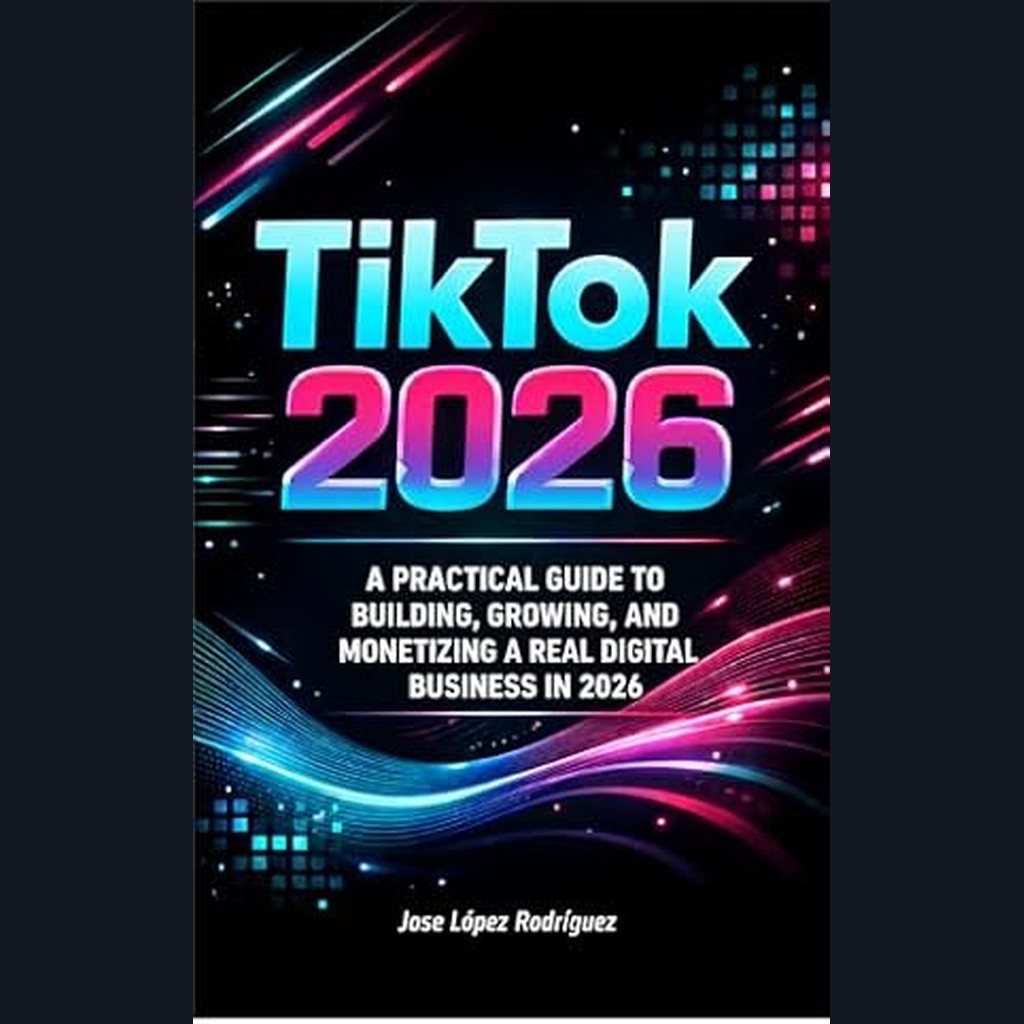
📖 TikTok 2026: The Definitive Guide
The practical guide to growing and monetizing