
TikTok has its own language
Every social network has its own language, its own rhythm, and its own way of understanding the world. TikTok is no exception. In fact, its culture is one of the main reasons why so much content succeeds or goes unnoticed regardless of how well-produced it is.
When someone opens TikTok, they don’t come with the mindset of viewing «posts.» They enter a constant flow of ideas, emotions, opinions, and moments. It’s more like channel-surfing than reading a feed. And in that flow, what works isn’t always the most polished — it’s the most recognizable.
Formats are the structure behind that recognizability. A format isn’t a template you copy and paste. It’s a framework: the way you present your message so it’s easy to follow, easy to remember, and easy to consume again. When someone recognizes the structure of your video within the first three seconds, they already know what to expect — and that predictability, paradoxically, is what keeps them watching.
What is a format, exactly?
A format is the skeleton of your video. It’s not the topic — it’s how you present the topic. «Three things I learned about X» is a format. «Before and after» is a format. «POV: when X happens to you» is a format. The topic can change every day, but the structure remains recognizable.
Think of it like a TV show. A cooking program always has the same structure: ingredient presentation, preparation step by step, final result. The recipes change, but the format keeps the audience coming back because they know what they’re getting. On TikTok, it works the same way.
When you find a format that works, you’ve found a replicable system. You no longer start from zero every time you sit down to create. You have a base structure you can fill with different content each time. That saves time, reduces creative block, and builds viewer loyalty.
The main formats in 2026
Some formats that continue to perform well on TikTok:
- Storytelling with hook: «The worst mistake I made when…» or «What nobody tells you about…» Open with a promise, deliver with a story.
- Lists and rankings: «Three tools that changed my…» or «Top 5 apps for…» Easy to consume, easy to save, highly shareable.
- Before and after: Show the problem, then the transformation. Works for almost any niche — from fitness to interior design to personal finance.
- POV (point of view): «POV: you just discovered that…» Creates instant identification. The viewer feels like the protagonist.
- Educational micro-lessons: One idea, explained clearly, in under 60 seconds. No fluff, just value.
- Reactions and commentary: Responding to trends, news, or other videos with your perspective. Authenticity matters more than production here.
How to choose your format
Not every format works for every creator or every topic. The key is to choose based on three factors: what you’re comfortable doing, what your audience expects, and what allows you to deliver value consistently.
If you’re a natural storyteller, storytelling formats will feel easy and authentic. If you’re more analytical, lists and comparisons will fit better. If you teach something, micro-lessons or step-by-step formats are your ally. The format should amplify your strengths, not fight against them.
Also consider your audience’s consumption habits. If they tend to save and revisit content, lists and educational formats work well. If they’re looking for quick entertainment, POV and reaction formats generate more engagement.
When a format stops working
Formats have a lifecycle. What works today may not work in three months. Not because the format is bad, but because the audience gets saturated. When you see that your videos using a certain format start getting less engagement, it’s not necessarily because your content got worse — it might be because that structure became too common on the platform.
The solution isn’t to abandon formats entirely, but to evolve them. Change the angle, add a twist, combine two formats into one. «Three things I learned about X» can become «Three things I learned about X that nobody mentions.» A small change that renews the audience’s interest.
Build your format library
One of the most practical things you can do as a creator is to build your own format library. Write down every format that works for you, with examples of videos where you used it successfully. Over time, you’ll have a repertoire you can draw from whenever you need inspiration or feel stuck.
This library is also useful for planning. Instead of starting from «what do I post today?», you start from «which format do I use this week?» and fill it with the topic of the day. That small shift in approach can dramatically reduce the time you spend thinking about what to create.
This is just a preview. The full book gives you the complete system to master TikTok in 2026.
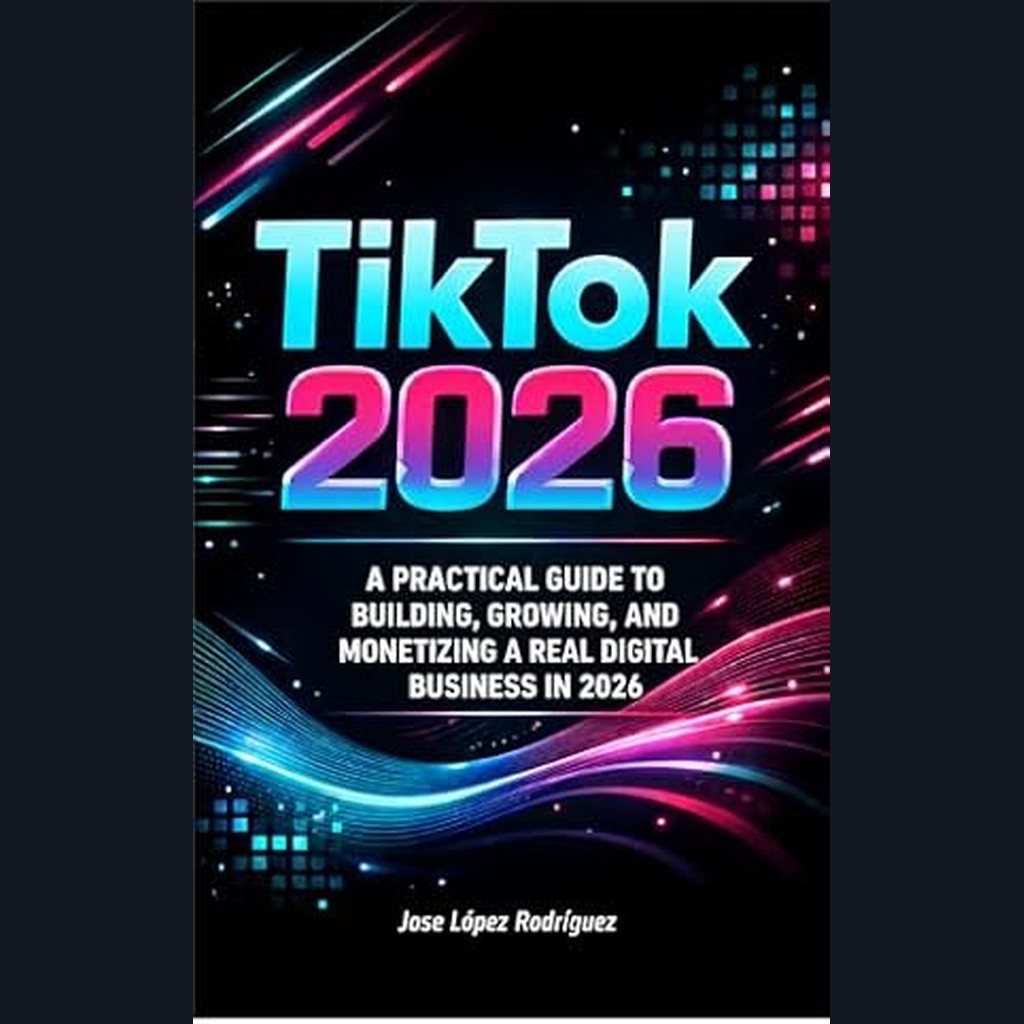
📖 TikTok 2026: The Definitive Guide
The practical guide to growing and monetizing