
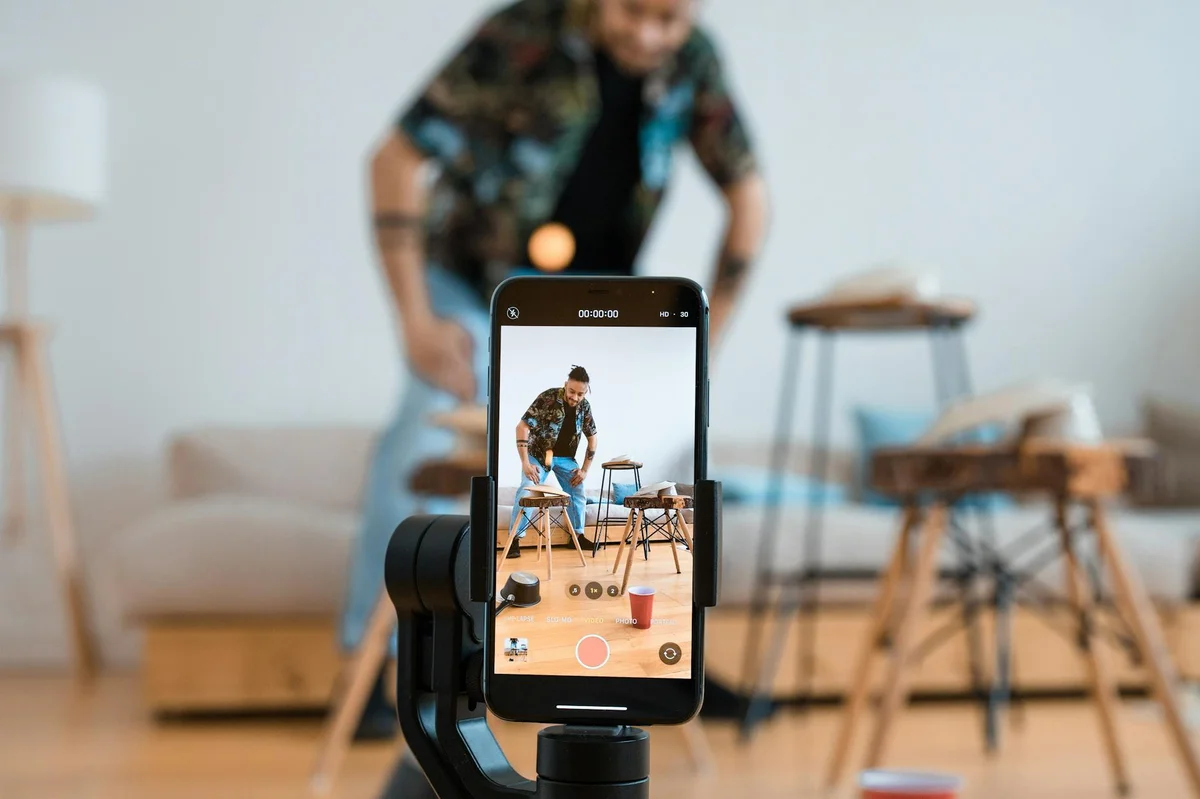
What exactly is a format on TikTok?
You have something to say, but how you say it determines whether someone stays or keeps scrolling. On TikTok, format is that invisible structure that turns an idea into content people recognize, consume, and share.
A format isn’t a template you copy and paste. It’s a structure: the way you present your message so it’s easy to follow, easy to remember, and easy to consume again. When someone recognizes the structure of your video within the first three seconds, they already know what to expect — and that predictability, paradoxically, is what keeps them watching.
Why some content goes viral and most doesn’t
Viral content isn’t random. Behind every video that reaches millions, there are patterns that repeat. It’s not about luck, and it’s not just about quality. It’s about a specific combination of elements that make a video impossible to ignore.
The most important factor: emotional response. People share content that makes them feel something. Laughter, surprise, indignation, identification, nostalgia — any genuine emotion can be the engine of virality. Content that generates no emotional response receives no shares. Period.
The three pillars of viral content
Viral videos tend to share three characteristics:
- Instant recognition: the viewer understands what the video is about within the first three seconds. No confusion, no ambiguity.
- Progressive value: the video delivers value continuously, not just at the end. Each segment rewards the viewer for staying.
- Shareability: the content is easy to explain in one sentence. «You have to see this» is the most powerful distribution mechanism that exists.
The myth of perfection
One of the biggest misconceptions about viral content is that it needs to be perfect. In reality, many of the most viral videos on TikTok have visible imperfections: shaky camera, ambient noise, casual delivery. What they have instead of perfection is authenticity.
Perfection can actually hurt virality. An overly polished video looks like advertising, and people instinctively distrust advertising. A slightly imperfect video looks like a real person sharing something real. That difference in perception is the difference between a scroll-past and a share.
How to design content for sharing
When you plan your content, ask yourself: «If someone wanted to share this video, what would they say to the person they’re sending it to?» That sentence — «You have to see this,» «This explains exactly what happened to me,» «I didn’t know this» — is your share engine.
If you can’t articulate in one sentence why someone would share your video, it probably won’t be shared. That doesn’t mean it’s bad content — it just means it’s not designed for virality. Some content is meant to educate, build trust, or establish authority. Not everything has to go viral. But when you do want virality, design for that specific outcome.
The anatomy of a viral hook
The hook is the single most important element of a viral video. Without a strong hook, nothing else matters because nobody will see it. A good hook does three things: it grabs attention, it creates curiosity, and it promises value.
«I tried this for 30 days and here’s what happened» works because it combines curiosity (what happened?), personal experience (I tried it), and a time frame (30 days). «The mistake 90% of beginners make» works because it combines specificity (90%), relevance (beginners), and a promise (you’ll learn what not to do).
Write five different hooks for every video. The first one is rarely the best. By the fifth, you’ll have found the angle that makes your content irresistible.
This is just a preview. The full book gives you the complete system to master TikTok in 2026.
📖 TikTok 2026: The Definitive Guide
The practical guide to growing and monetizing